
August Meeting: Amadi’s ₦16.8m intervention boosts healthcare, skills, community projects
— Gifts APP State Woman Leader new car, pledges continued support beyond election

By Our Reporter
For many communities across Owerri Zone, the annual August Meeting is more than a gathering of women. It is a season when mothers, professionals, traders and community leaders return home to discuss development, raise funds for projects and confront some of the most pressing challenges facing their people.
For Dr. Chima Amadi, the 2026 August Meeting season has also become an opportunity to take his message of grassroots development directly to the women and support projects they have initiated within their communities.
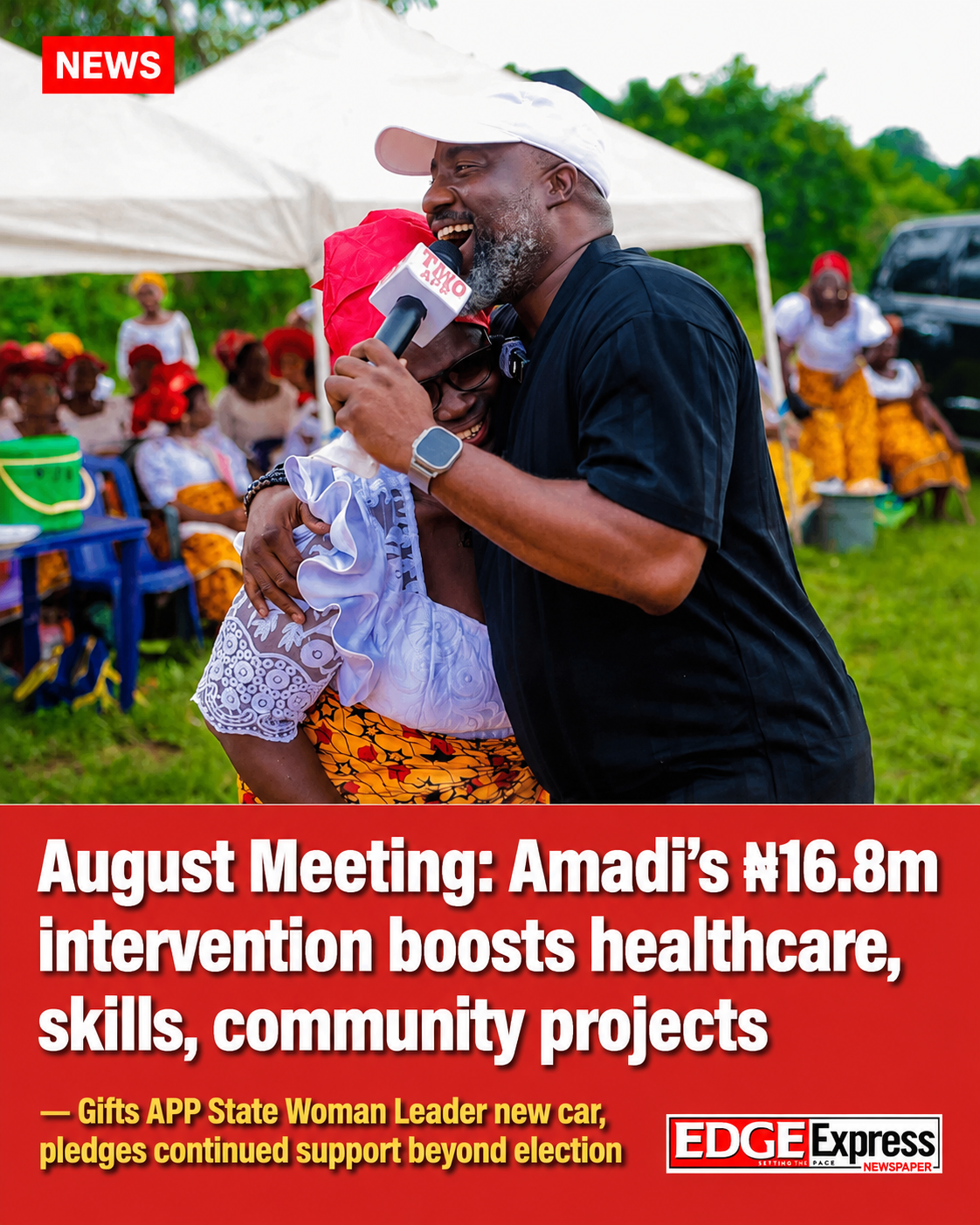
On the second day of his engagements, Amadi moved through communities in Mbaise and Ngor Okpala, committing ₦16.8 million to community development, healthcare and direct support for women. He also presented a brand-new car to Mrs. Nneka Chukwu, the Action Peoples Party (APP) State Woman Leader, in recognition of her role in mobilising women across Imo State.
The interventions came in addition to the ₦12 million he had committed in 2025 towards a skills acquisition centre in Otulu.
Beyond the figures, however, the engagements offered a glimpse into Amadi’s approach to community development: identify what communities are already doing, support their efforts and encourage initiatives capable of improving livelihoods long after the political season.


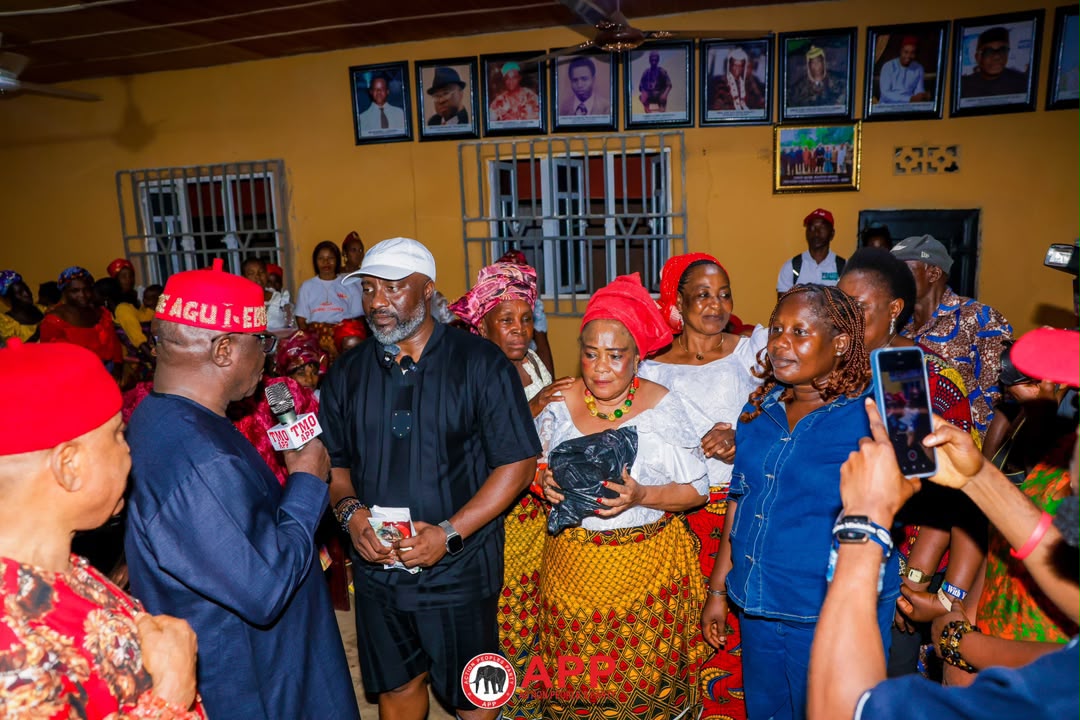
At the first engagement in Mbaise, the atmosphere reflected the colour and excitement traditionally associated with August Meetings. Women dressed in colourful attire filled the venue as community leaders and organisers welcomed Amadi and his entourage.
Amadi began by commending the women for the organisation of the gathering, recalling that he had previously described their August Meeting as one of the best organised he had attended.
He disclosed that he was in the United States when he received information about the activities of the women and decided to return home with his family rather than remain abroad.
But it was a promise about the future that particularly defined his message.
“Even if I don’t win, I will come back here next year,” he told the women.
The declaration sought to separate his relationship with the communities from the outcome of an election, presenting his interventions as something he intends to sustain irrespective of his political fortunes.
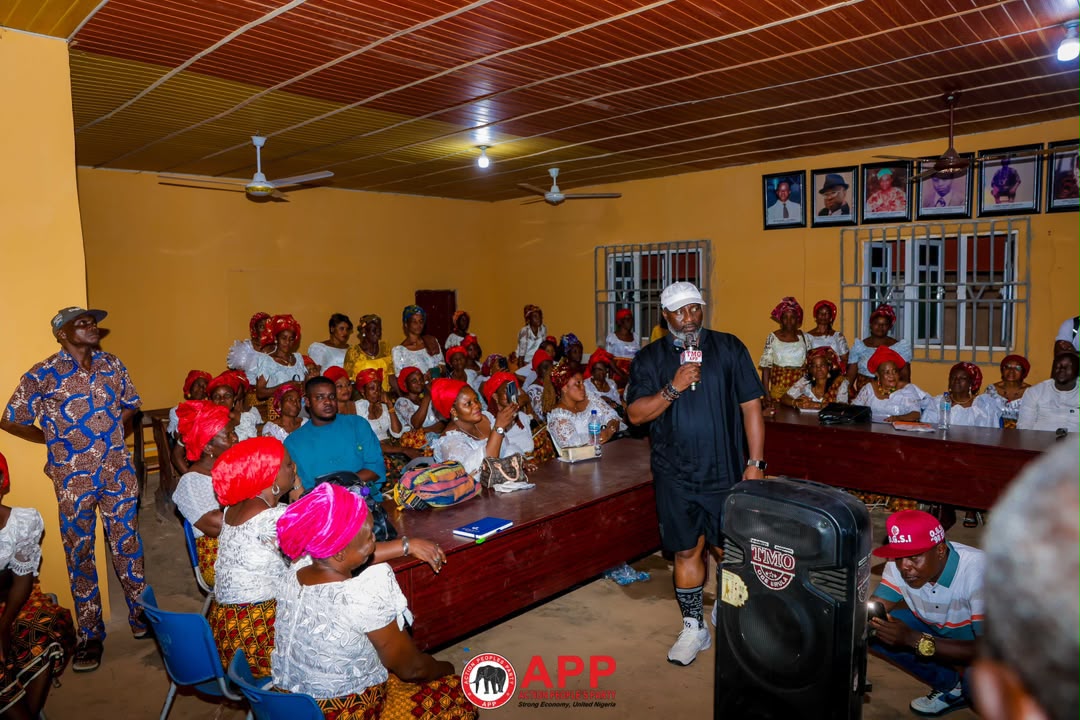
Amadi also revisited a skills acquisition initiative he had previously supported and praised the community for what he described as the transparent management of the resources provided for the project.
For him, accountability remains critical to development because resources entrusted to communities can only produce lasting results when they are properly managed.
His address soon moved beyond community projects to the daily struggles confronting ordinary families.
He spoke about women who find it difficult to access healthcare during emergencies, particularly when labour begins at night. He talked about parents struggling to meet educational expenses, the poor condition of public schools, unemployment and graduates unable to find opportunities after completing their education.
Amadi also expressed concern over the growing involvement of some young people in internet fraud, popularly known as “Yahoo Yahoo”, arguing that unemployment and the absence of meaningful economic opportunities have left many youths frustrated.
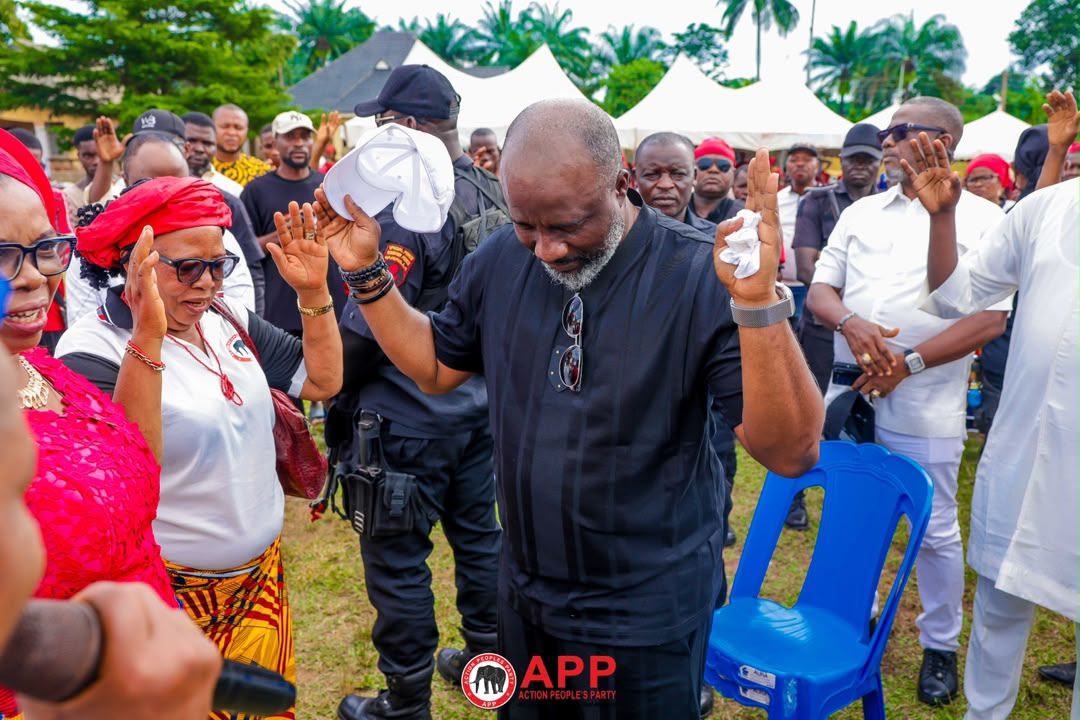
His position was that sustainable empowerment must go beyond occasional financial assistance to include education, skills acquisition, healthcare and job opportunities that give people a realistic chance of becoming economically independent.
That message also shaped his interaction with the women, whom he described not merely as beneficiaries but as important drivers of family and community development.
It was against this background that Amadi presented a brand-new car to Mrs. Nneka Chukwu, the APP State Woman Leader, in appreciation of her efforts in mobilising women across Imo State.
From the first gathering, Amadi proceeded to the Otulu Development Union Women Wing, where skills acquisition and economic empowerment took centre stage.
The visit was significant because the community had already benefited from his support.
In 2025, Amadi committed ₦12 million towards the establishment of a skills acquisition centre in Otulu, an initiative designed to provide women and young people with practical skills through which they could earn sustainable livelihoods.
During the latest engagement, he announced an additional ₦5 million for community development and ₦1.5 million to be shared among those in attendance.
The fresh ₦6.5 million intervention reinforced his argument that one of the most effective ways of tackling poverty is to equip people with skills capable of generating income.
For women who shoulder significant responsibilities in their households, access to skills and economic opportunities can provide a measure of independence that goes beyond temporary financial assistance.
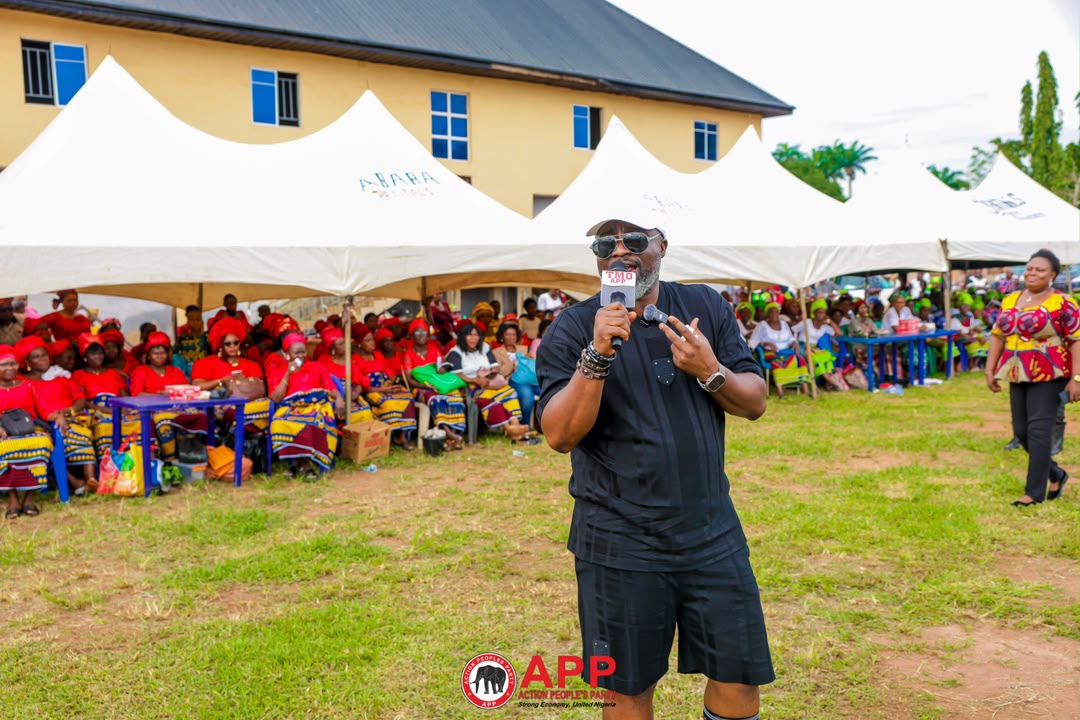
Before leaving Otulu, Amadi also visited the traditional leadership of the community, acknowledging the role traditional institutions continue to play in maintaining stability and advancing grassroots development.
The engagements continued at Aguneze in Ahiazu Mbaise, where women had also embarked on community development initiatives despite limited resources.
There, Amadi announced ₦3 million towards community development and another ₦800,000 to be shared among attendees.
The intervention brought his support at the Aguneze gathering to ₦3.8 million.
Rather than presenting the women as passive recipients of assistance, the engagement highlighted their own efforts to address development needs within the community.
For Amadi, supporting such initiatives means strengthening what the people have already started instead of imposing projects that may not reflect their immediate priorities.
It was an approach that became increasingly evident as the day’s engagements progressed.
The final phase of the engagements brought Amadi to Logara in Ngor Okpala, where healthcare emerged as one of the day’s defining issues.
Earlier, he had spoken about the difficulties women in rural communities encounter when trying to access medical care during emergencies.
In Logara, he encountered a community already working to address that challenge.
The Logara Women Association, under the leadership of Lolo Nkechi Amadi, had embarked on the construction of an ultra-modern healthcare centre intended to improve access to medical services in the community.
Amadi responded by pledging ₦5 million towards the completion of the facility.
He also provided another ₦1.5 million to be shared among those attending the August Meeting, bringing his intervention at the gathering to ₦6.5 million.
The healthcare project provided a practical connection between the concerns Amadi had expressed earlier in the day and the development efforts already underway within the communities.
Rather than beginning another project, his intervention was directed towards helping the women complete what they had already started.
Lolo Nkechi Amadi, speaking on behalf of the association, expressed appreciation for the support and reaffirmed the women’s commitment to completing the healthcare facility for the benefit of the community.
The Logara engagement also assumed a political dimension when Hon. Mrs. Livina Dikeocha and dozens of supporters announced their defection from the All Progressives Congress (APC) to the Action Peoples Party.
They said their decision was influenced by Amadi’s philanthropic activities and what they described as his commitment to grassroots development.
The defectors pledged to mobilise support across Ngor Okpala for his senatorial ambition.
Their decision introduced an unmistakable political element into a day largely dominated by community development, healthcare and women’s empowerment.
For Amadi, however, the broader message remained centred on the conditions facing ordinary people.
He spoke about his vision for healthcare that is accessible to rural communities, functional public education, skills that can provide sustainable livelihoods and employment opportunities for young people.
He described his vision as one centred on a government “of the poor, by the poor and for the poor.”
Amadi acknowledged that one senator cannot single-handedly solve all the problems confronting communities. Effective representation, he argued, should nevertheless provide a platform for attracting development, influencing government policies and ensuring that the needs of ordinary people receive attention.
One of the less dramatic moments of the engagements perhaps illustrated the approach more clearly than the large financial commitments.
At one of the venues, Amadi noticed 13 canopies being used for the programme and directed that they should be shared among members of the community.
He instructed his team to ensure that the distribution was properly handled and that the necessary account details were obtained so that other support would reach the intended beneficiaries.
Compared with the millions of naira committed to projects during the day, the gesture was relatively small. But it reflected an attention to immediate community needs that characterised much of the engagements.
By the end of the day, Amadi had committed ₦16.8 million in fresh support across the communities: ₦5 million for development and ₦1.5 million for attendees in Otulu; ₦3 million for community development and ₦800,000 for attendees in Aguneze; and ₦5 million for the Logara healthcare centre alongside ₦1.5 million for attendees.
The day’s interventions were in addition to the brand-new car presented to Mrs. Nneka Chukwu and the ₦12 million earlier committed to the Otulu skills acquisition centre in 2025.
Yet the significance of the engagements cannot be measured by figures alone.
Across the communities, women were already organising, raising resources and initiating projects to address local challenges. Amadi’s interventions largely strengthened those existing efforts, from skills acquisition to healthcare and wider community development.
For a politician seeking elective office, such engagements will inevitably be viewed through the prism of politics. The defections recorded in Logara also showed that development interventions can have political consequences.
But Amadi appeared conscious of that perception when he made perhaps his most consequential promise of the day.
“Even if I don’t win, I will come back here next year.”
It is a commitment that extends beyond the excitement of the 2026 August Meeting season and, ultimately, beyond the ballot box.
Whether that promise is sustained will be judged with time. For the women and communities visited, however, the immediate impact is already measurable: millions of naira committed to projects, a skills centre receiving further backing, a healthcare facility moving closer to completion and community initiatives receiving fresh support.
In a season traditionally devoted to women coming together to discuss the development of their communities, Amadi’s engagements turned attention to a simple but important question: what happens when those conversations about development are matched with the resources to make them happen?
For Mbaise, Otulu, Aguneze and Logara, the answer began to take shape in a single day.