
Dr Obiesi Nnaemeka eyes NMA National Vice president
Pledges Inclusive leadership , medical reforms

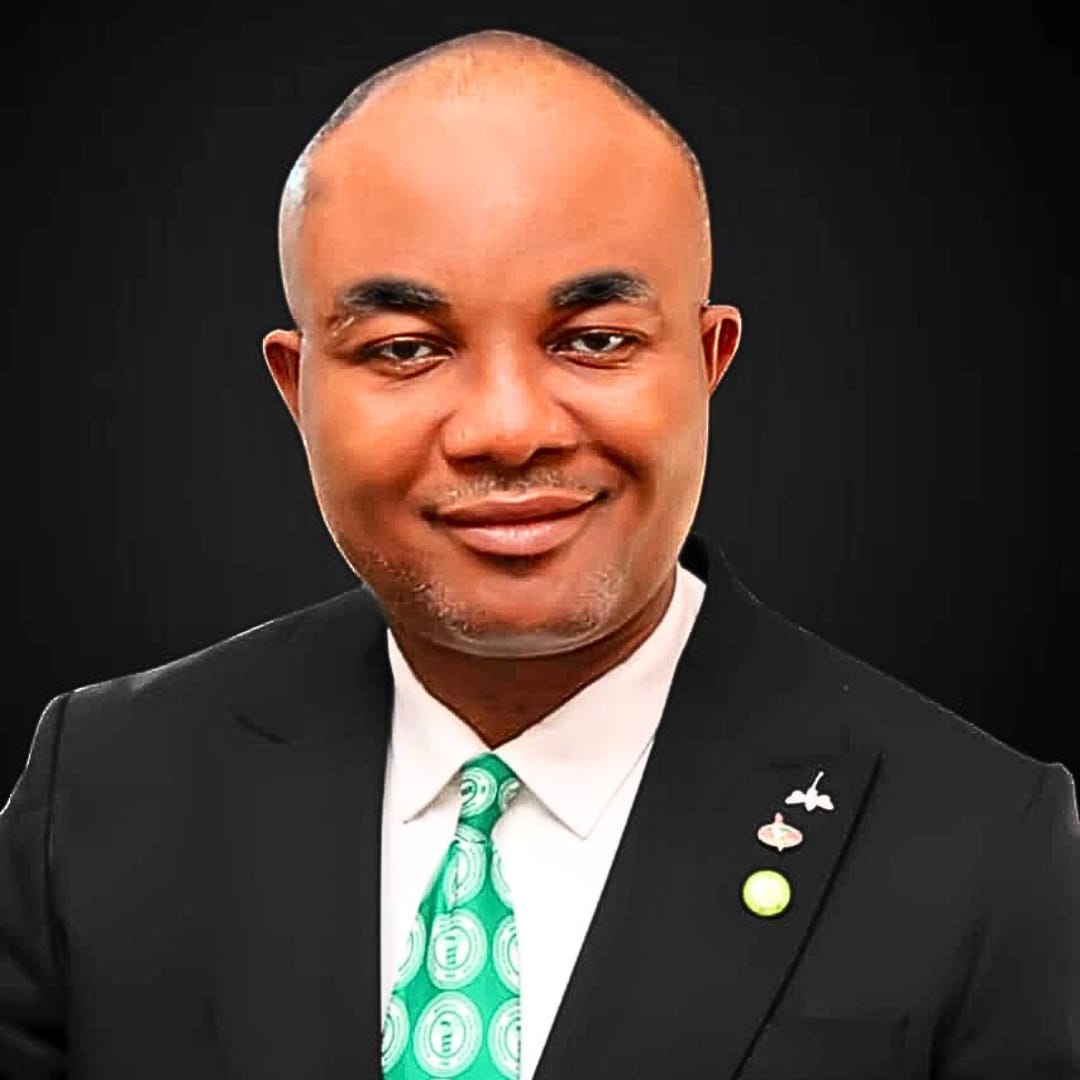
A new chapter may soon unfold within the Nigerian Medical Association (NMA) as Dr. Obiesi Chidi Nnaemeka, the immediate past Chairman of the association in Imo State, signals his intention to contest for the position of National Vice President. His declaration has already begun to generate conversations within medical circles across the country, with many stakeholders viewing his ambition as a reflection of both experience and a desire to contribute more broadly to the advancement of the medical profession in Nigeria.
Dr. Nnaemeka’s entry into the race comes at a critical time when the Nigerian healthcare sector continues to grapple with a myriad of challenges, ranging from brain drain and poor funding to infrastructural deficits and policy inconsistencies. For many observers, his aspiration represents not just a personal political move within the association, but a potential opportunity to bring tested leadership to the national stage.
Having served as Chairman of the NMA in Imo State, Dr. Nnaemeka is widely regarded as a seasoned administrator who understands the inner workings of the association at both grassroots and institutional levels. During his tenure, he was said to have championed policies aimed at improving the welfare of doctors, strengthening professional unity, and promoting ethical standards within the medical community. His leadership style, described by colleagues as inclusive and pragmatic, earned him recognition beyond Imo State.
Supporters argue that his track record places him in a strong position to take on the responsibilities of National Vice President. They point to his ability to navigate complex issues, engage with government authorities, and advocate effectively for healthcare workers. These qualities, they say, are essential for the NMA at a time when doctors across Nigeria are seeking stronger representation and more impactful leadership.
The office of National Vice President of the NMA is a strategic one, often serving as a bridge between the national executive and state chapters. It requires not only administrative competence but also the capacity to build consensus among diverse stakeholders within the association. Dr. Nnaemeka’s experience at the state level is expected to play a key role in shaping his approach if elected.
In his early consultations with colleagues and stakeholders, Dr. Nnaemeka is believed to have emphasized the need for unity within the association. He has reportedly expressed concern over divisions that sometimes weaken the collective voice of medical professionals, stressing that a more cohesive NMA would be better positioned to advocate for improved healthcare policies and working conditions.
One of the major issues likely to define his campaign is the ongoing challenge of medical brain drain, often referred to as the “japa syndrome,” where Nigerian doctors seek better opportunities abroad. This trend has significantly affected the country’s healthcare system, leaving many hospitals understaffed and overburdened. Observers expect Dr. Nnaemeka to outline concrete strategies to address this problem, including improved remuneration, better working environments, and enhanced professional development opportunities for doctors.
In addition to tackling brain drain, his campaign is also expected to focus on strengthening collaboration between the NMA and government at various levels. The relationship between healthcare professionals and policymakers has often been strained, with disagreements over salaries, welfare packages, and health sector reforms leading to industrial actions. A key expectation from Dr. Nnaemeka’s candidacy is his ability to foster constructive engagement that prioritizes dialogue and sustainable solutions.

Healthcare financing is another area where his leadership could have significant impact. Nigeria’s health sector has long suffered from underfunding, with budgetary allocations falling short of international benchmarks. Advocates within the medical community have consistently called for increased investment in healthcare infrastructure, equipment, and personnel. Dr. Nnaemeka is expected to align with these calls, while also pushing for accountability and efficient use of available resources.
Colleagues who have worked closely with him describe him as a leader who listens and adapts. They recount instances during his tenure in Imo State where he engaged widely with members, seeking their input before making major decisions. This consultative approach, they believe, could help build trust and strengthen participation within the NMA at the national level.
Beyond administrative competence, Dr. Nnaemeka’s ambition is also seen as a reflection of the growing influence of Imo State within the national medical community. His candidacy is likely to galvanize support from colleagues in the South-East region, while also attracting attention from other parts of the country. Political analysts within the association note that building a broad coalition across zones will be critical to his success.
The NMA, as the umbrella body for doctors in Nigeria, plays a crucial role in shaping health policies and advocating for the welfare of its members. Its leadership is therefore closely watched, not only by medical professionals but also by government agencies and the general public. The emergence of candidates like Dr. Nnaemeka underscores the importance of leadership continuity and renewal within the association.
As the race unfolds, attention will likely focus on the ideas and vision presented by candidates. For Dr. Nnaemeka, articulating a clear roadmap for the future of the NMA will be essential. This includes outlining specific initiatives aimed at improving the welfare of doctors, enhancing professional standards, and contributing to the overall development of Nigeria’s healthcare system.
Another key area of interest is the role of technology in healthcare delivery. The COVID-19 pandemic highlighted the importance of digital health solutions, including telemedicine and electronic health records. There is growing consensus that the NMA should play a leading role in promoting the adoption of such innovations. Observers expect Dr. Nnaemeka to address this issue, emphasizing the need for modernization and capacity building within the sector.
Younger doctors, in particular, are likely to pay close attention to his campaign. Many of them face unique challenges, including limited training opportunities, job insecurity, and career progression concerns. Engaging this demographic will be crucial, as they represent the future of the profession. Dr. Nnaemeka’s ability to connect with younger members and address their concerns could significantly influence his chances in the election.
Gender inclusivity within the medical profession is another issue gaining prominence. Female doctors have increasingly called for greater representation and support within the NMA. Any serious contender for national office is expected to demonstrate commitment to inclusivity and equal opportunities. Dr. Nnaemeka’s stance on this matter will likely form part of the broader conversation around his candidacy.
As with any competitive election, challenges are inevitable. The race for National Vice President is expected to attract other qualified candidates from different parts of the country, each bringing their own strengths and vision. This will require Dr. Nnaemeka to not only rely on his track record but also effectively communicate his ideas and build alliances.
Despite these challenges, there is a sense of optimism among his supporters. They believe that his experience, combined with a clear vision for the future, positions him as a strong contender. Many within the Imo State chapter of the NMA have reportedly expressed pride in his decision to seek higher office, viewing it as an opportunity to showcase the quality of leadership emerging from the state.
For Dr. Nnaemeka, the journey ahead will involve extensive consultations, engagement with delegates, and articulation of his vision for the association. Campaigns within professional bodies like the NMA are often issue-based, focusing on policies and leadership qualities rather than partisan politics. This provides an opportunity for meaningful discourse on the future of the medical profession in Nigeria.
Ultimately, the outcome of the election will depend on the collective decision of NMA members across the country. As delegates prepare to choose their next set of leaders, considerations such as competence, integrity, vision, and ability to deliver will likely guide their choices.
Dr. Obiesi Chidi Nnaemeka’s bid for the National Vice Presidency of the NMA represents a significant moment, not only for him but also for the broader medical community. It reflects a desire among professionals to contribute more actively to the shaping of their association and the improvement of healthcare delivery in Nigeria.
As the campaign gathers momentum, all eyes will be on how candidates present their ideas and connect with members. For Dr. Nnaemeka, the task ahead is clear: to convince his colleagues that he possesses the leadership, vision, and commitment needed to help steer the NMA toward a more united and impactful future.
If his past record is anything to go by, he is likely to remain a key figure in the ongoing conversation about the future of Nigeria’s healthcare system—whether as a candidate or eventually as a national leader within the association.